
🏔️ The Soul of the Hills: Pahari Architecture in Himachal Pradesh
Nestled in the lap of the Himalayas, the traditional homes of Himachal Pradesh are more than just shelters—they are a reflection of culture, climate, and centuries-old wisdom. Pahari architecture beautifully blends functionality with nature, creating homes that are both practical and timeless.
In today’s world of concrete structures, these houses stand as powerful examples of sustainable and climate-responsive design.
🏡 What is Pahari Architecture?
Pahari architecture refers to the indigenous building style found in the hilly regions of Himachal Pradesh and surrounding Himalayan areas. These homes are specifically designed to withstand:
- Harsh winters
- Heavy snowfall
- Earthquakes
What makes this architecture unique is its use of locally available materials and its deep understanding of environmental conditions.
🪵 Kath-Kuni Architecture: A Timeless Technique
One of the most iconic forms of Pahari architecture is the Kath-Kuni style.
This traditional construction method includes:
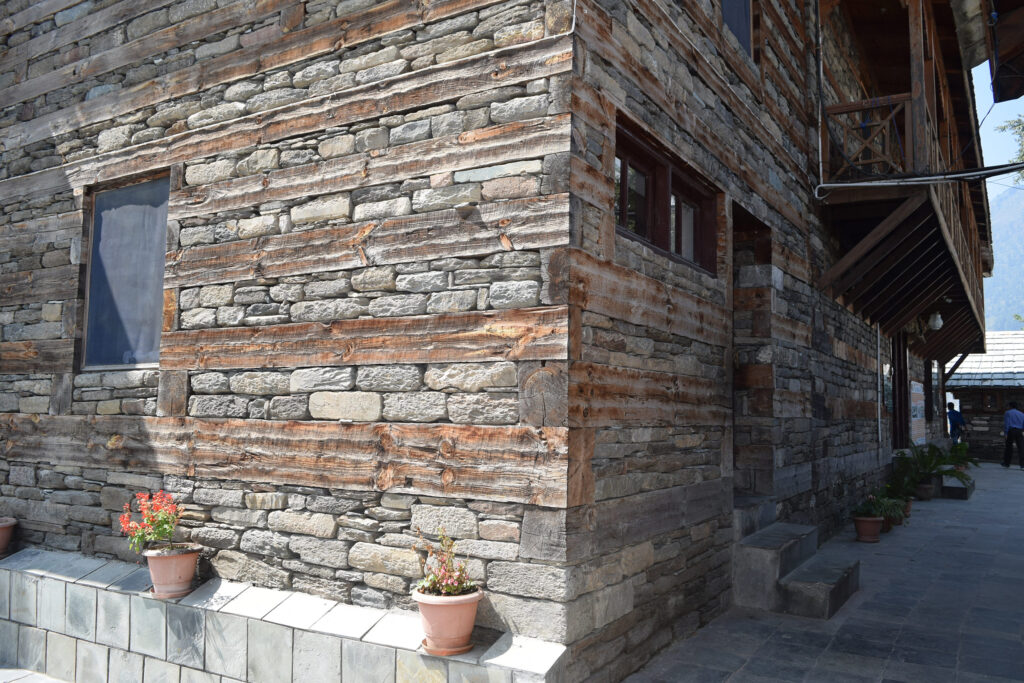
- Alternating layers of wood and stone
- Interlocking wooden beams without nails
- Thick, insulated walls
Kath-Kuni structures are not only visually striking but also highly durable and earthquake-resistant, making them ideal for mountainous terrain.
🌲 Natural Materials & Smart Design
Traditional Pahari homes rely on materials sourced directly from nature:
- Deodar wood – strong, durable, and مقاistant to decay
- Local stone – provides structural strength
- Slate roofs – ideal for shedding snow and rain
The sloped roofs prevent snow buildup, while small windows and wooden balconies help maintain indoor warmth and airflow.
🔥 Cultural Significance of Pahari Homes
Beyond architecture, these homes reflect the lifestyle and traditions of the region.
- The kitchen (rasoi) acts as the central gathering space
- Homes often include areas for livestock, showing rural living patterns
- Wooden carvings and details represent local art and beliefs
Pahari homes are designed for community living, warmth, and functionality.
🌿 Sustainable Living: Lessons from Tradition
Long before modern sustainability trends, Pahari architecture embraced eco-friendly practices:
- Minimal environmental impact
- Use of renewable and local materials
- Natural insulation and energy efficiency
Today, architects and designers are revisiting these methods to create environmentally responsible homes.
🏔️ Why Preservation Matters
With increasing urbanization, traditional Pahari homes are gradually being replaced by concrete buildings. While modern construction offers convenience, it often lacks the environmental sensitivity and cultural depth of traditional designs.
Preserving this architectural heritage is essential—not just for history, but for a more sustainable future.
✨ Conclusion
Pahari architecture is a perfect example of how design can exist in harmony with nature. These homes are not just built in the mountains—they are shaped by them.
As we look toward the future, embracing these traditional practices could lead us to more sustainable and meaningful living spaces.